

Complete Spiti Valley Travel Guide for First-Time Travelers
Make your first Spiti Valley trip stress-free with this complete travel guide featuring routes, weather, permits, packing tips, and top attractions.
The first time you see Spiti Valley, it doesn’t feel like India. There are no forests, no waterfalls, no green hillsides rolling into the horizon. Instead, you get bare mountains in shades of ochre and grey, whitewashed monasteries clinging to cliff edges, and a silence so complete you can hear the wind change direction. That contrast is exactly why Spiti pulls in more first-time trekkers, road-trippers, and photographers every single year, and why it also confuses the same travelers when they start planning.
Spiti doesn’t behave like a normal hill station. Roads shut down for half the year. Mobile networks vanish for hours at a stretch. Altitude sickness catches people who assumed a Himachal trip couldn’t possibly be that different from Manali or Shimla. This guide is built to answer the practical questions that actually decide whether your Spiti Valley trip goes smoothly or turns into a scramble: when to go, how to get there, what to see, where to sleep, what to eat, and the mistakes that trip up nearly every first-timer.
Table of Contents
What Is Spiti Valley and Why It Feels So Different
Spiti Valley sits in the northeastern corner of Himachal Pradesh, bordering Tibet, at an average altitude of around 12,500 feet. Geographers call it a cold desert, and once you’re there, you understand why. The Himalayas block the monsoon clouds before they reach this side of the range, so Spiti gets almost no rainfall. What’s left is a stark, high-altitude landscape shaped entirely by wind, frost, and sun.
The region is administered as part of the Lahaul and Spiti district, though Lahaul and Spiti are culturally and geographically quite different from each other. Spiti’s population is small, largely Buddhist, and spread across villages that often have fewer than a hundred houses. Monasteries here aren’t tourist attractions built for visitors -many, like Key Monastery and Tabo Monastery, have been functioning religious centers for over a thousand years.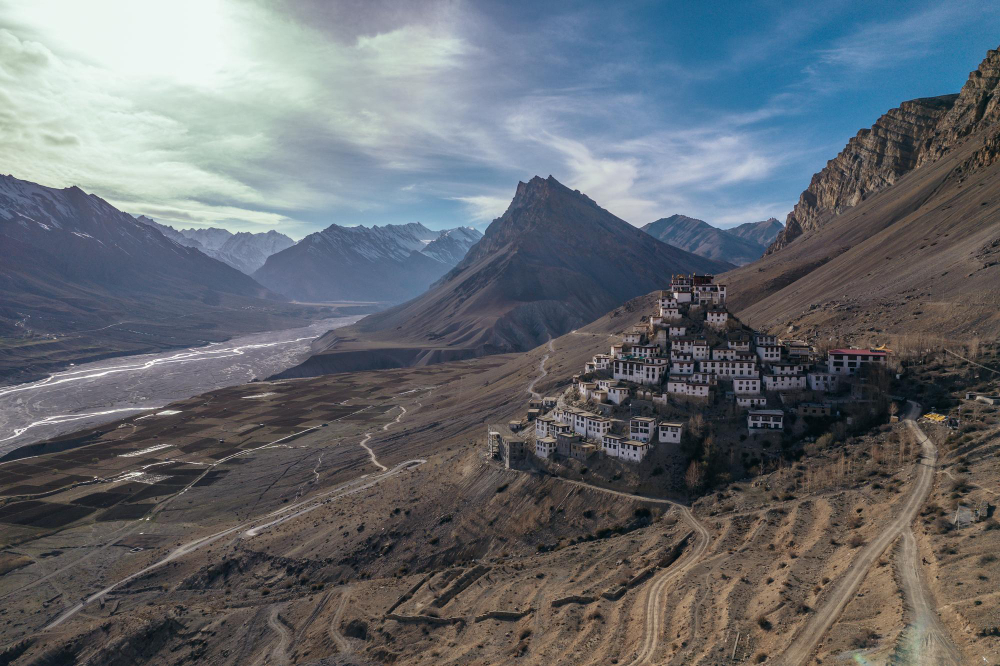
If you’re coming from a typical hill station trip, drop the expectations you’re used to. There won’t be a market on every corner, hotels with room service, or reliable 4G everywhere. What you get instead is one of the most dramatic, least crowded high-altitude landscapes in India -which is precisely the appeal.
Best Time to Visit Spiti Valley (Month-by-Month Breakdown)
This is the single most-asked question about any Spiti Valley trip, and the honest answer is: it depends on which route you’re using and what you want to see.
Spiti has two access roads. The Shimla–Kinnaur route (NH-05) stays open through most of the year, though heavy snow can occasionally shut sections in deep winter. The Manali route crosses Kunzum Pass at nearly 14,900 feet, and this pass is buried under snow for roughly seven months. It typically opens in late May or early June and closes again by mid-to-late October, though the exact dates shift by a couple of weeks each year depending on snowfall.
Here’s how the year breaks down for planning purposes:
| Period | Conditions | Good For |
| June | Kunzum Pass just opened, roads rough, Chandratal accessible, weekend crowds heavy | First-timers wanting the full Manali–Spiti–Shimla circuit early in the season |
| July–August | Peak greenery in villages, apricot season in lower Kinnaur, occasional monsoon-triggered landslides on the Kinnaur stretch | Travelers comfortable with some route uncertainty; Spiti itself stays largely dry |
| September | Clear skies, harvest season, golden poplar and willow trees, noticeably fewer tourists | Photography, peaceful travel, best overall weather-to-crowd ratio |
| October | Getting cold fast, Kunzum Pass closing by mid-to-late month, shops and homestays start shutting for winter | Late-season travelers willing to exit only via Shimla if the Manali side closes early |
| November–April | Manali route fully closed; Shimla–Kinnaur route the only way in; extreme cold, often below -15°C at night in Kaza | Winter photography, snow leopard sightings around Kibber and Pin Valley, Spiti’s Losar festival (Tibetan New Year) |
| May | Snow melting, Manali side still closed or just opening, Shimla route accessible | Early-bird travelers avoiding peak-season crowds who don’t mind a Shimla-only entry |
If someone asks me to name a single best time to visit Spiti Valley, I’d say September, without much hesitation. The roads have settled after monsoon, the sky stays clear for days at a stretch, and the crowds thin out considerably compared to June and July. June is the second-best pick if you specifically want the Manali–Kunzum Pass–Chandratal experience early and don’t mind sharing the road with more tourists.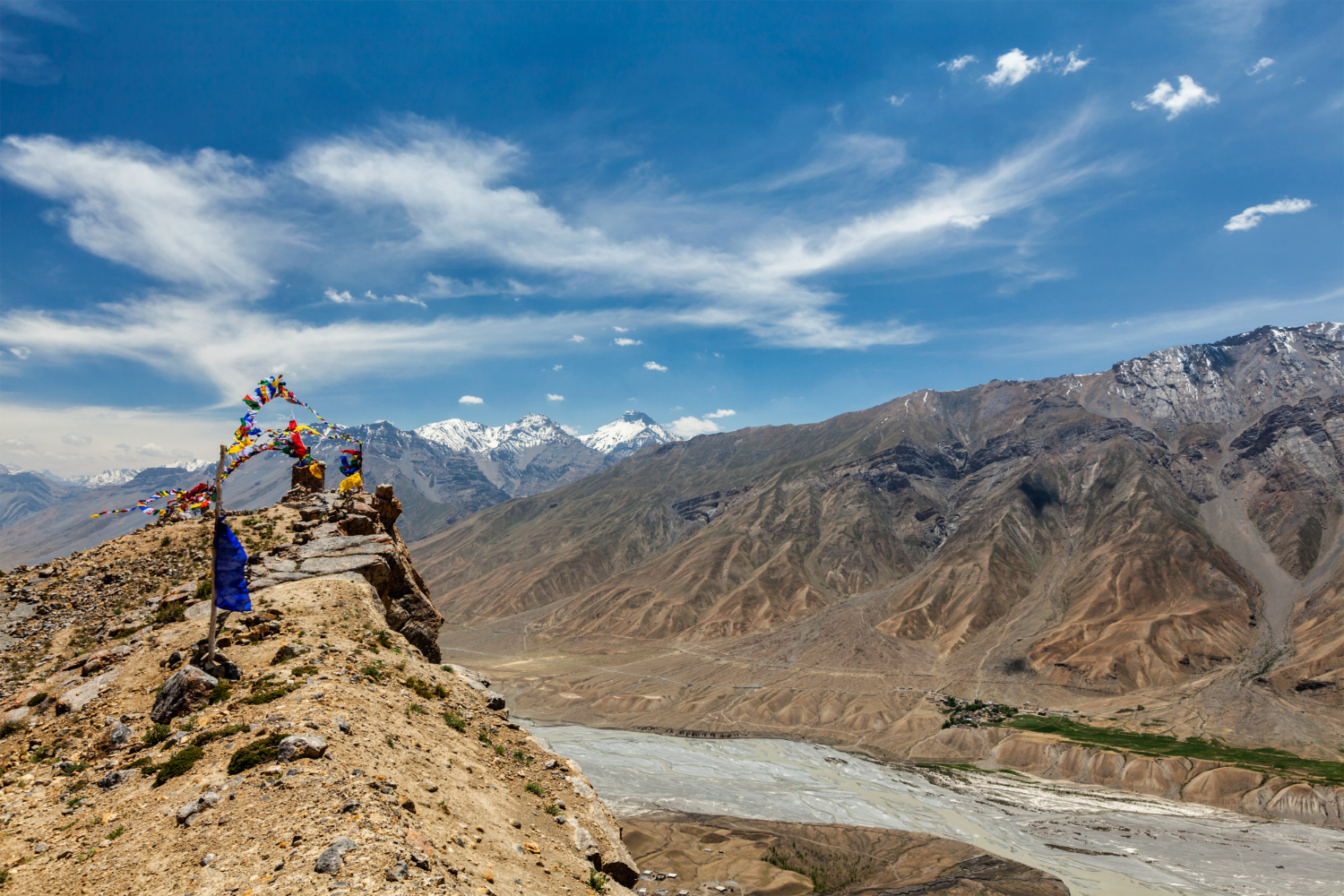
One planning note that trips up a lot of people: even after Kunzum Pass technically opens, wait at least two to three weeks before crossing. Freshly cleared roads are often narrow, muddy, and restricted to 4×4 vehicles only in the first stretch.
How to Reach Spiti Valley
There’s no airport or railway station inside Spiti, so every route eventually turns into a road trip. You have three realistic ways in.
Via Manali (Seasonal, more scenic)
This is the route most first-timers picture when they imagine a Spiti Valley trip. From Manali, you pass through the Atal Tunnel -which opened in 2020 and now lets you skip Rohtang Pass entirely, cutting both distance and time -then continue via Gramphu, Chatru, Batal, and over Kunzum Pass into Losar and finally Kaza. The distance is roughly 182 km via the tunnel route and takes anywhere from 8 to 12 hours depending on road conditions, so most people break the drive with an overnight stop at Chandratal or Kaza itself rather than attempting it in one push.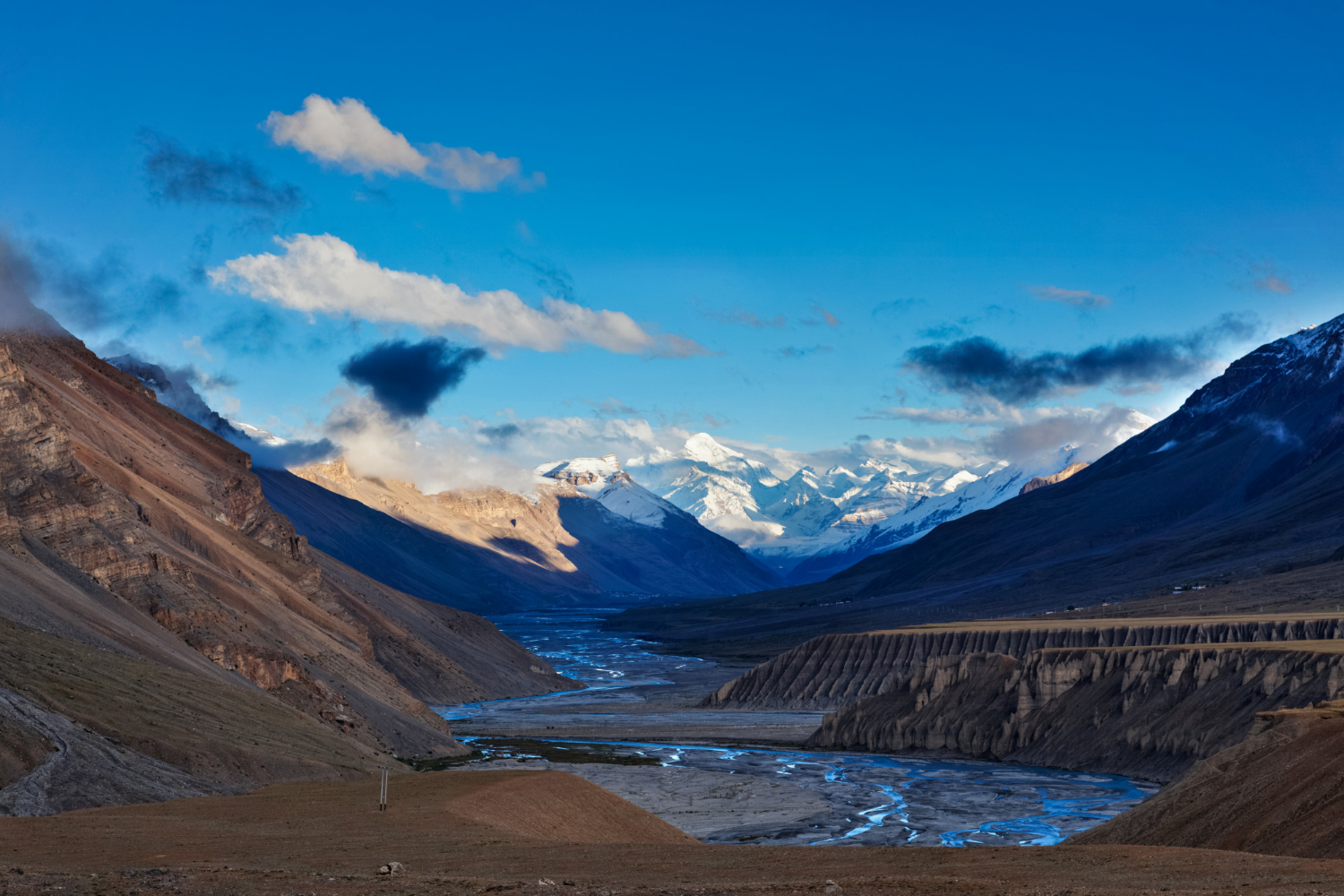
This route only works between roughly late May/early June and mid-October. Outside that window, it’s simply not passable.
Read Also –Best Attractions in Mussoorie You Shouldn’t Miss on a Trip
Via Shimla-Kinnaur
If you’re traveling outside the Manali-route season, or you just prefer a steadier, better-maintained road, this is your option. You travel from Shimla through Kinnaur -passing Narkanda, Rampur, Sarahan, Kalpa, and Nako -before entering Spiti near Sumdo. It’s a longer drive, usually split across two or three days with overnight stops, but the road stays open through most of the year and offers a very different, greener landscape on the Kinnaur stretch.
Many experienced Spiti travelers actually recommend combining both: enter from Shimla via Kinnaur, exit toward Manali via Kunzum Pass (or vice versa), so you get two completely different landscapes on a single trip instead of retracing the same road.
By Air or Train
The nearest airports are Bhuntar (near Kullu-Manali) and Shimla, both with limited connectivity, or Chandigarh, which has far more flight options and is a common starting point for road trips. The nearest major railhead is Chandigarh or Shimla (on the narrow-gauge line from Kalka). From any of these, you’re still looking at a full day or two of road travel to actually reach Spiti -there’s no way to shortcut this part of the journey, and honestly, the drive is a core part of the experience, not just a means to an end.
Buses and Shared Taxis
HRTC runs seasonal buses on both the Manali–Kaza and Shimla–Kaza routes, and they’re a genuinely good budget option if you don’t mind a long, occasionally bumpy ride. Shared taxis are available from Manali, Shimla, and Reckong Peo during peak season, and they’re often the easiest way for solo travelers to piece together a route without renting a private vehicle.
Best Places to Visit in Spiti Valley
Kaza acts as the base for most itineraries, but the real character of Spiti shows up in the smaller villages around it. Here’s a rundown of the places to visit in Spiti Valley that consistently make it onto every serious itinerary.
Kaza -The largest town in the valley and the natural hub for permits, fuel, ATMs, and organizing day trips. It’s not particularly scenic on its own, but you’ll pass through here repeatedly.
Key Monastery -Perched on a hilltop above the Spiti River, this is the largest monastery in the valley and probably the single most photographed structure in the region. It houses several hundred monks and centuries-old murals.
Kibber Village -One of the highest motorable villages in the world at roughly 4,270 meters, and a well-known base for snow leopard sightings during winter months. Kibber Wildlife Sanctuary borders the village.
Chicham Bridge -Asia’s highest suspension bridge, connecting Kibber to Chicham village over a dramatic gorge. Worth the stop even if you’re not continuing further.
Chandratal Lake -A crescent-shaped high-altitude lake near the Kunzum Pass side, famous for changing colors through the day and camping under some of the clearest night skies in India. It sits outside Spiti proper but is almost always included in the same trip.
Dhankar Monastery and Village -Built precariously on a cliff edge overlooking the confluence of the Spiti and Pin rivers, Dhankar was once the historic capital of the Spiti kingdom. The village and the short trek to Dhankar Lake are both worth the detour.
Pin Valley National Park -Home to the snow leopard, Himalayan ibex, and several rare high-altitude species. The Pin Valley also has its own distinct culture, including Buchen monks known for their masked dances.
Tabo Monastery -Often called the “Ajanta of the Himalayas” for its ancient wall paintings, Tabo dates back to 996 CE, making it one of the oldest continuously functioning Buddhist monasteries in India and the Himalayan region.
Langza, Hikkim, and Komic -This trio of villages sits close together and gets grouped into a single day trip from Kaza. Langza is known for its giant Buddha statue and fossil hunting (this area was once an ocean bed). Hikkim has the world’s highest post office. Komic claims to be one of the highest inhabited villages connected by a motorable road.
Nako Village and Lake -Located in the Kinnaur–Spiti transition zone, Nako has a small monastery complex and a calm lake that’s especially photogenic in early morning light.
Losar -The last Spiti village before Kunzum Pass on the Manali side, useful as a stopover point and a good place to acclimatize slightly before or after crossing the pass.
Suggested Spiti Valley Trip Itineraries
How long you need depends on your starting point and how much slow travel you actually want. Here are two workable structures.
7-Day Spiti Valley Trip (Manali or Shimla entry/exit only)
- Day 1: Shimla to Kalpa/Sangla
- Day 2: Kalpa to Kaza (via Nako, Tabo)
- Day 3: Kaza local sightseeing -Key Monastery, Kibber, Chicham Bridge
- Day 4: Langza, Hikkim, Komic day trip
- Day 5: Dhankar and Pin Valley
- Day 6: Kaza to Chandratal (via Losar and Kunzum Pass)
- Day 7: Chandratal to Manali
10-Day Spiti Valley Trip (Shimla in, Manali out -the fuller circuit)
This follows the same skeleton but adds a rest day for acclimatization after reaching Kaza, an extra day around Pin Valley or Dhankar Lake trek, and a buffer day before crossing Kunzum Pass in case of weather delays. Ten days is genuinely the sweet spot if you want to enjoy the valley rather than just check off locations.
Anything under 6 days tends to turn into a rushed drive with barely any time in each village, and altitude sickness risk goes up when you don’t build in rest days.
Where to Stay: Spiti Homestays and Manali Villas
Accommodation inside Spiti itself is mostly homestays and small family-run guesthouses, especially outside Kaza. This isn’t a downgrade -staying with a local family in Langza or Komic, eating home-cooked meals, and getting insider tips on weather and road conditions is one of the best parts of a Spiti Valley tour. Kaza has a wider range of proper hotels and guesthouses if you want more privacy or better heating.
Where a lot of travelers get their planning wrong is treating Manali as just a pass-through point. In reality, most Spiti Valley trips start and end in Manali, and after several days of basic homestays and cold rooms, a comfortable stopover on either side of the trip makes a real difference -especially if you’re traveling with family, kids, or a larger group.
This is exactly why booking a villa in Manali for the first and last night of the trip has become such a popular choice. Instead of a cramped hotel room, you get a full private space with a proper kitchen, hot water on demand, and enough room for a group to actually relax and repack gear before or after the high-altitude stretch. If you’re specifically looking at a villa in Manali for rent, areas like Old Manali, Naggar, and the upper Kullu belt tend to have the best mix of mountain views and easy access to the highway toward Atal Tunnel.
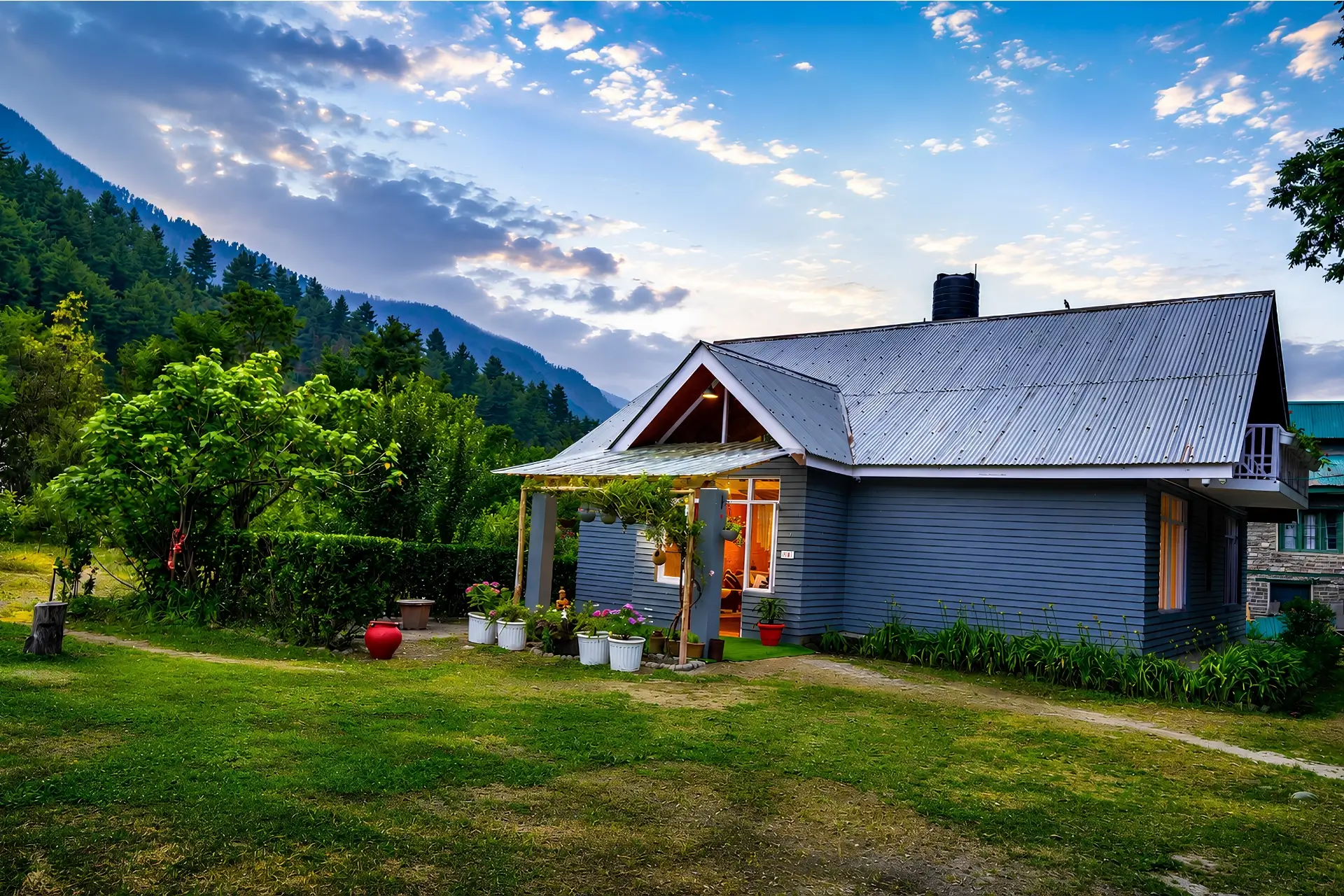
For travelers who want something more contemporary than the older wooden cottages Manali is known for, there’s also a growing number of new Manali villa properties with modern interiors, larger common areas, and better insulation -genuinely useful when you’re either preparing for the cold ahead in Spiti or thawing out after it. If your trip involves a group booking a Spiti Valley tour package, splitting a villa for the Manali nights usually works out more comfortable and often more cost-effective than booking separate hotel rooms.
Book Villa
Local Food You Must Try in Spiti
Spiti’s food reflects its Tibetan-influenced Buddhist culture and the practical reality of farming in a cold desert with a short growing season. Expect hearty, warming dishes built around barley, root vegetables, and dairy.
- Thukpa -A noodle soup, usually with vegetables or meat, and probably the most common comfort food you’ll eat across the valley.
- Momos -Steamed or fried dumplings, available almost everywhere in Kaza and increasingly in the smaller villages too.
- Chha Gosht -A slow-cooked mutton curry made with a yogurt-based gravy, a Kinnauri-Spitian specialty worth seeking out.
- Sepu Vadi -A Himachali dish made from lentil dumplings cooked in a spiced curry, common on the Kinnaur stretch of the journey.
- Butter Tea (Gur Gur Cha) -Salted, buttery tea rather than the sweet chai you might expect. It’s an acquired taste for many first-timers, but worth trying at least once, especially in a monastery kitchen.
- Chhang -A mildly alcoholic barley or millet drink, traditionally offered during festivals and celebrations.
- Local Barley and Buckwheat Preparations -Since wheat and rice struggle at this altitude, barley (sattu) and buckwheat show up in flatbreads, porridges, and local snacks throughout the valley.
- Yak Cheese and Dairy -In villages closer to Pin Valley and Kibber, you’ll find fresh yak or dzo milk products that don’t really travel outside the region.
Common Mistakes First-Time Travelers Make
Skipping acclimatization
Jumping straight from Manali or Shimla to Kaza without a buffer day is the number one reason people get altitude sickness on a Spiti trip. Give yourself at least one low-activity day within the first 48 hours above 10,000 feet.
Underestimating travel time
Google Maps timings on Spiti’s mountain roads are unreliable. A “5-hour” stretch can easily take 8, especially after rain or fresh snow clearance. Build in buffer time between every major stop.
Not carrying enough cash
ATMs are sparse and unreliable beyond Kaza, and several dropped out entirely during winter in past seasons. Carry more cash than you think you’ll need -cards and UPI often don’t work at checkpoints or in smaller villages.
Assuming the Manali route is open without checking
Kunzum Pass timing shifts every year. Always verify current road status close to your travel dates rather than relying on last year’s schedule.
Packing for a normal hill station
Even in peak summer, nights in Spiti regularly drop close to freezing. Pack proper thermals and a good jacket regardless of which month you’re traveling.
Overpacking the itinerary
Trying to see every village listed in this guide in a 5-day trip usually backfires. Spiti rewards slower travel -fewer places, more time at each one.
Ignoring fuel planning
Petrol pumps are few and far between once you’re past Kaza or Reckong Peo. Fill up whenever you get the chance, don’t wait until the tank runs low.
Essential Packing and Practical Tips
- Layered clothing: thermals, fleece, a windproof/waterproof outer jacket, and warm sleepwear.
- Sunscreen and sunglasses -UV exposure at this altitude is intense even on cool days.
- A basic altitude sickness medication kit (consult a doctor before the trip) and a pulse oximeter if you’re prone to AMS.
- Power bank and offline maps, since network coverage disappears for long stretches.
- Cash in small denominations for fuel, local vehicle entry charges, and homestays that don’t accept digital payments.
- A valid government photo ID -Indian citizens don’t need any special permit for Spiti Valley itself, but ID checks happen at multiple checkpoints.
- Reusable water bottles and a basic first-aid kit, since medical facilities are limited once you’re deep in the valley.
Final Thoughts
Spiti Valley isn’t a destination you casually add to a longer Himachal itinerary -it demands its own dedicated trip, proper timing, and a bit of patience with rough roads and thin oxygen. But that’s also exactly why it stays memorable long after smoother, more accessible hill stations fade into the background. Get the timing right, build in acclimatization days, and don’t rush the villages. Whether you’re planning a self-drive road trip or booking a structured Spiti Valley tour, the valley rewards travelers who slow down enough to actually notice it.
Frequently Asked Questions
How to reach Spiti Valley?
You can reach Spiti Valley by road via two routes: from Manali through Atal Tunnel and Kunzum Pass (open roughly late May to mid-October only), or from Shimla via the Kinnaur valley (open through most of the year). There’s no airport or train station in Spiti itself, so the nearest access points are Chandigarh, Bhuntar, or Shimla airports, followed by a road journey of one to two days.
How many days are sufficient to visit Spiti Valley?
Seven days is workable if you’re entering and exiting from the same side, but 9 to 10 days gives you a much more comfortable pace, especially if you want to do the full Shimla-in, Manali-out circuit with proper acclimatization days built in. Anything shorter tends to feel rushed given how spread out the villages are.
Which is better, Leh or Spiti?
They’re different experiences rather than one being strictly better. Leh-Ladakh has more infrastructure, wider roads, higher passes, and a longer tourist season, which makes it more approachable for first-time high-altitude travelers. Spiti is quieter, less commercialized, has a shorter accessible season from the Manali side, and gives a more intimate, homestay-driven experience. If you want comfort and scale, Ladakh edges ahead; if you want solitude and a rawer landscape, Spiti wins.
What kind of food is famous in Spiti?
Thukpa, momos, butter tea, and barley-based dishes are the everyday staples, alongside Kinnauri specialties like chha gosht and sepu vadi that you’ll encounter on the route through Kinnaur. Most meals lean toward warm, hearty comfort food suited to the cold climate rather than elaborate cuisine.
Which month is best for Spiti?
September is generally considered the best all-round month for a Spiti Valley trip -clear skies, settled roads, harvest-season colors, and noticeably fewer tourists compared to June and July. June is a strong second choice if you specifically want to catch Chandratal and Kunzum Pass right after the Manali route opens.
Is Spiti colder than Ladakh?
Spiti tends to feel colder in practice, mainly because it has less tourism infrastructure, thinner vegetation cover, and fewer heated accommodations outside Kaza, even though average temperatures in both regions are broadly similar for their respective altitudes. Ladakh’s wider valleys and more developed towns like Leh and Nubra make the cold easier to manage.
When can I see the Milky Way in Spiti Valley?
The Milky Way core is visible from Spiti roughly between June and September, with the clearest views on new-moon nights away from Kaza’s limited lighting. Chandratal, Langza, Komic, and Dhankar are popular spots for night-sky photography thanks to minimal light pollution and consistently clear high-altitude skies.
When can I see snow in Spiti Valley?
Snowfall typically begins around late October and continues through April, with the heaviest snow between December and February. If you specifically want to see snow while still reaching Kaza, winter travel via the Shimla–Kinnaur route is possible, though conditions are extreme and require serious cold-weather preparation. The Manali route through Kunzum Pass is completely snowbound and inaccessible during this entire period.