

Best Places to Visit in Jaipur During the Monsoon Season Now
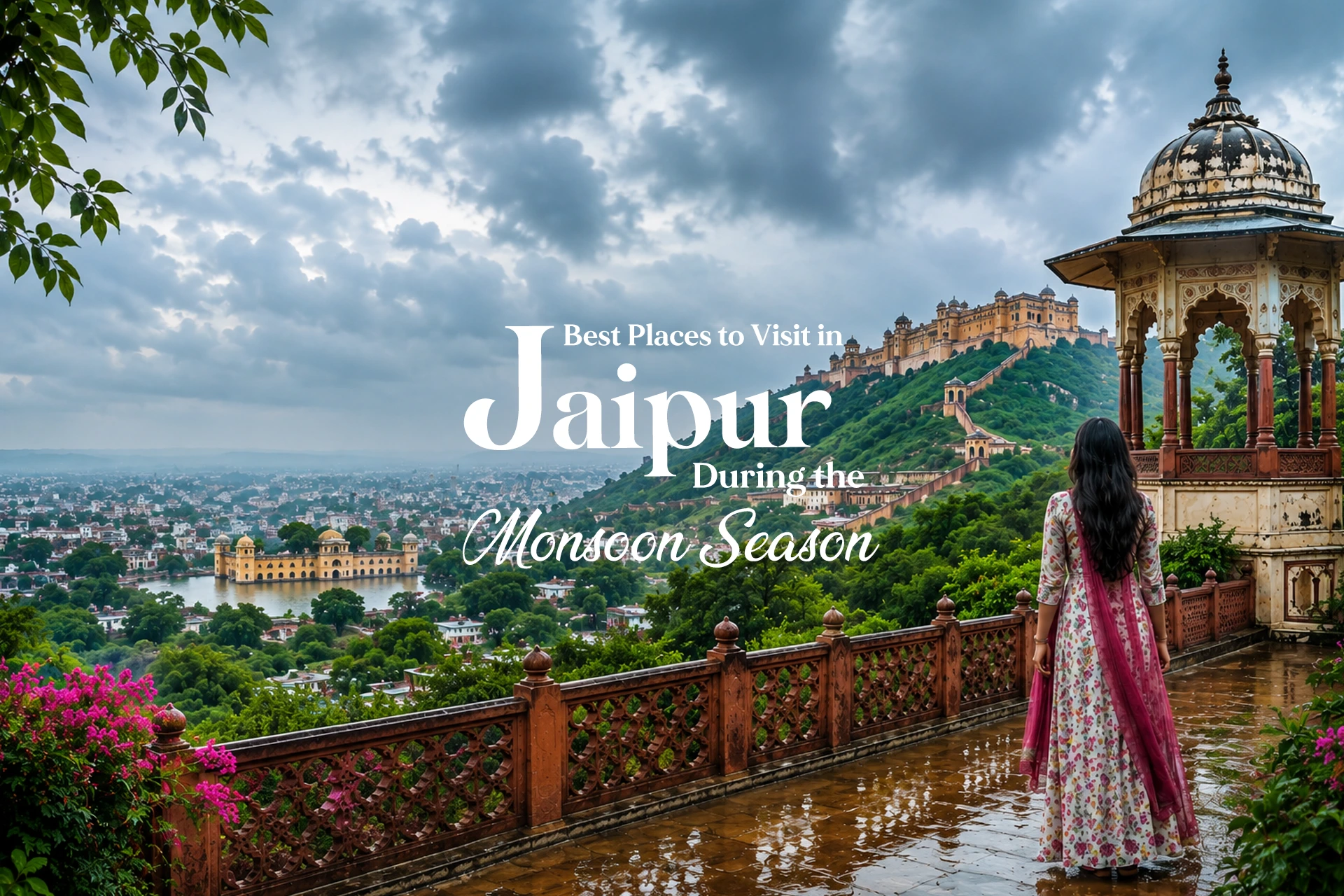
Visit Jaipur during monsoon for misty Nahargarh, lush Aravallis, scenic lakes and quieter forts. Experience the Pink City when locals enjoy it most.
The first monsoon morning I spent at Nahargarh, a cloud came through the courtyard -not over it, through it -and for about ninety seconds the city below vanished. I’ve been showing people around Jaipur for the better part of two decades, and I still rate that as the best thing this city does. It only does it between late June and mid-September.Most advice tells you to come in December. That’s safe, not accurate. December gives you crowds, peak rates and dusty beige hills. Monsoon gives you the Aravallis in green, water in the lakes below the forts, and Amer at a fraction of the footfall. You’ll get wet. You’ll also get the version of the Pink City locals actually wait for.
Table of Contents
Is Monsoon a Good Time to Visit Jaipur?
Yes -for scenery, photography and value. July and August bring roughly 180 mm and 200 mm of rain across 10–12 rainy days: enough to fill Maota and Man Sagar lakes and green the hills, not enough to shut the city down. Highs drop from June’s 40°C to a workable 33–35°C. The best places to visit in Jaipur in monsoon are Nahargarh Fort, Amer Fort, Jal Mahal, Jaigarh Fort, Sisodia Rani ka Bagh and Galtaji -each looks materially different with water and cloud in it.
| Month | Avg. rainfall | Rainy days | Avg. high | What it feels like |
| June | 55–60 mm | 4–5 | 40°C | First showers; still hot and sticky |
| July | ~180 mm | 10 | 34°C | Peak greenery, lakes filling, lowest crowds |
| August | ~200 mm | 11–12 | 33°C | Wettest month, Teej season, best light |
| September | ~90 mm | 5–6 | 35°C | Rain retreating, hills still green -the sweet spot |
Read also – Plan a Perfect Pet-Friendly Getaway with The Nivaas Jaipur
The Jaipur Monsoon Places Worth Rearranging Your Day For
Nahargarh Fort -go at 4 PM, not noon
Eighteen kilometres out, on the Aravalli ridge. Monsoon washes out the haze that usually blurs the view, and you can pick out City Palace, Jal Mahal and the Hawa Mahal rooftop from the ramparts. Late afternoon is when the cloud sits lowest. Madhavendra Palace’s interconnected suites are worth an hour if a shower traps you.
Amer Fort and Maota Lake -the reflection everyone misses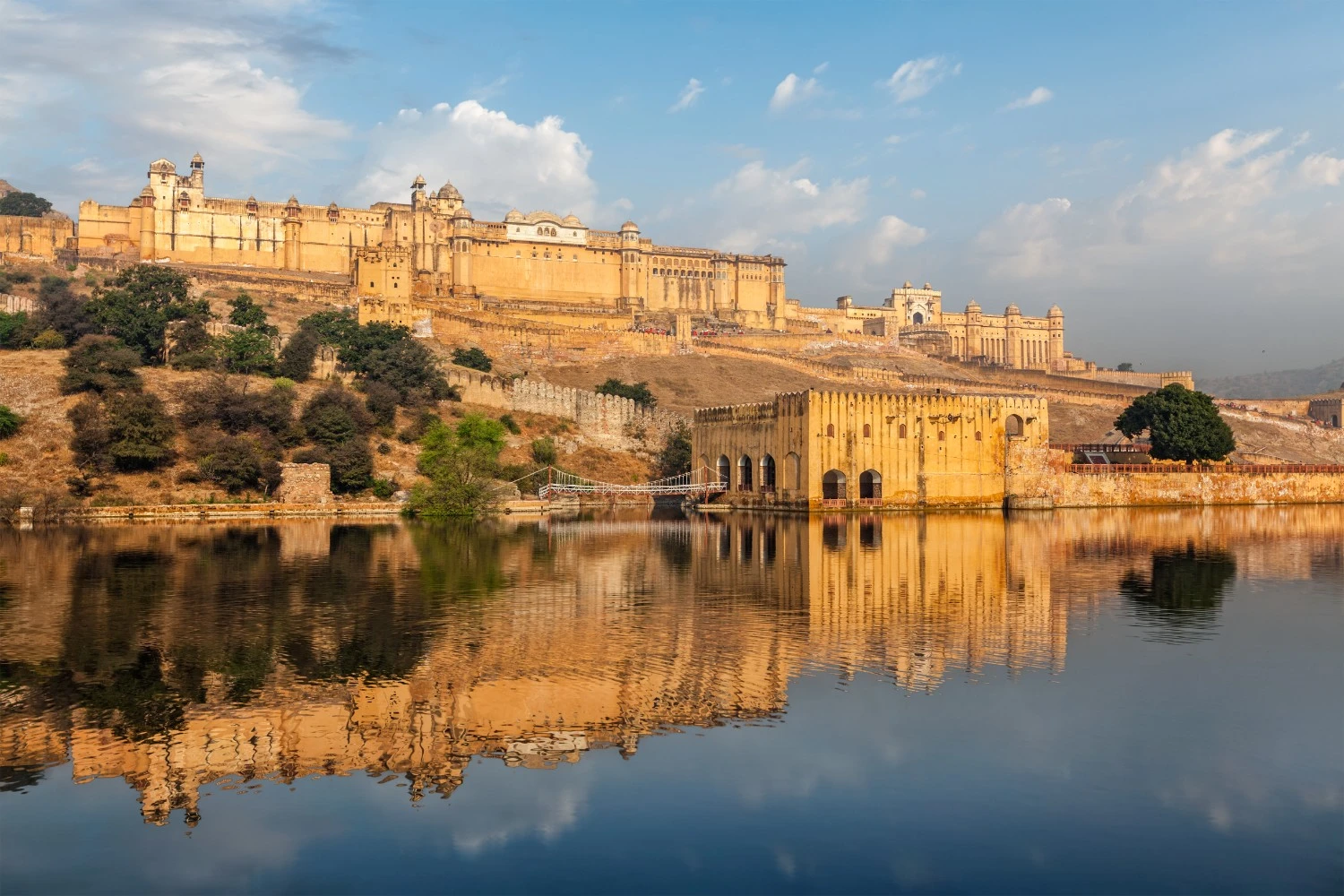
Amer Fort Jaipur tops every list of Jaipur famous places, yet almost nobody shoots it from the right spot in the right season. When Maota Lake fills, the fort doubles in the water -walk to the far edge of Kesar Kyari garden. Open 8:00 AM–5:30 PM; ₹100 for Indian visitors, ₹500 for foreign nationals (composite ₹420 and ₹1,100). The evening light-and-sound show is at its best in wet weather, when the stone holds colour.
Jal Mahal -a palace that floats again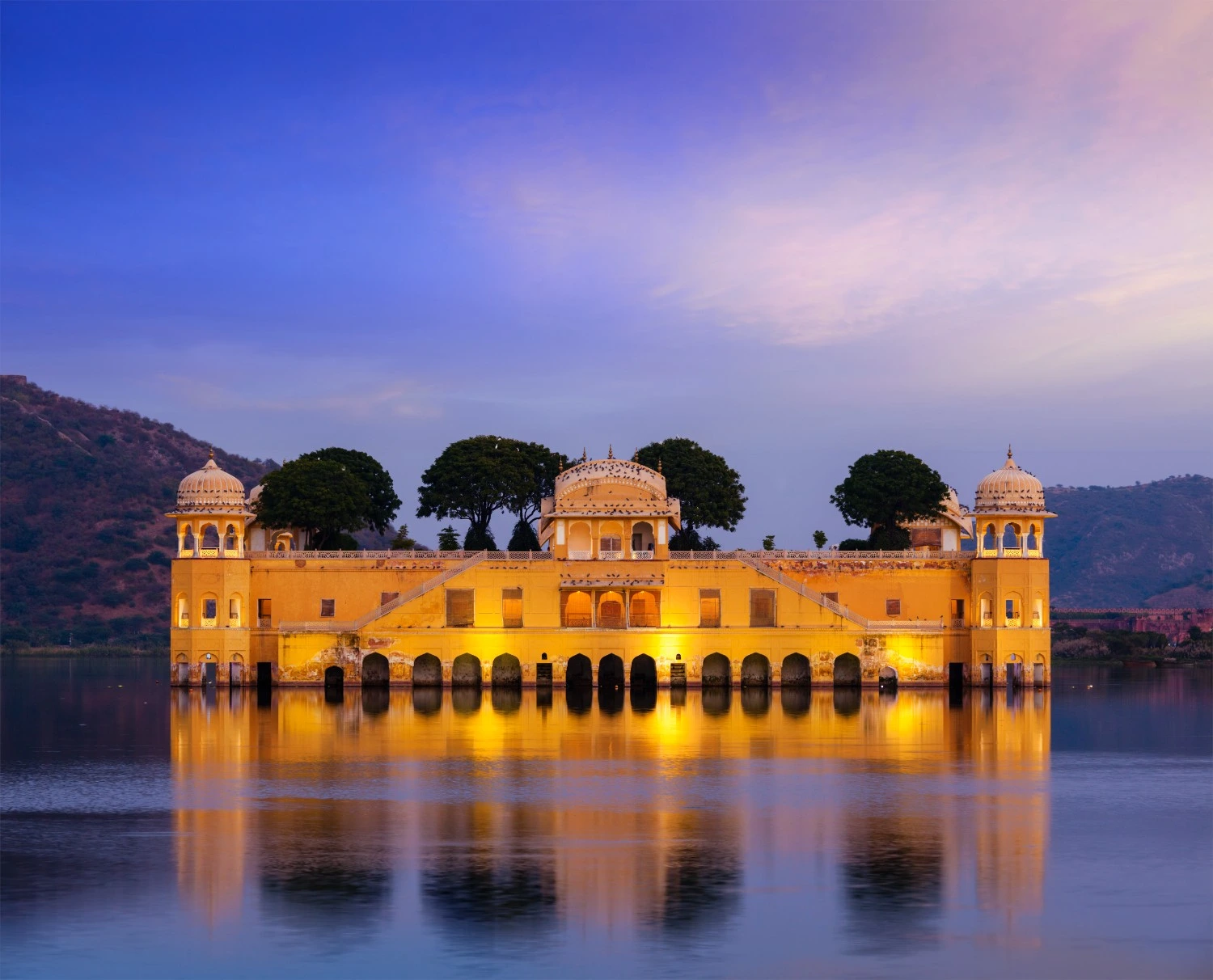
For most of the year Jal Mahal sits in a tired-looking lake. After three weeks of rain, Man Sagar rises and the palace does what it was built to do. Free to view from the lakeside promenade; no interior access. Dawn for mist, after 6 PM for the lit facade.
Jaigarh Fort -for the water engineering
The “Hill of Eagles” above Amer holds the world’s largest cannon on wheels, but the monsoon reason to come is the 18th-century rainwater harvesting system -channels, aqueducts and a tank that still fills. Standing in it during a downpour explains how Rajputs survived this landscape better than any museum panel.
Sisodia Rani ka Bagh -best value in the city
On Agra Road, eight kilometres out. Terraced gardens fed by natural springs, with Radha-Krishna murals that come up bright once rain washes the dust off. Rarely crowded, cheap, and it smells extraordinary in July.
Galtaji and Kanota Dam -the local pick
Galtaji, 12 km east, has spring-fed kunds set into a gorge, and monsoon is when the water actually moves. Fifteen minutes further, Kanota Dam gives you the countryside version -peacocks, low hills, no tour buses.
Things to Do in Jaipur in Monsoon Beyond the Forts
- Teej. The monsoon festival, through late July and August, with a decorated procession of Parvati leaving City Palace for Tripolia Bazaar. Book a balcony seat early -the street fills hours ahead.
- Ghewar. The syrup-soaked disc sold only around Teej and Raksha Bandhan. Laxmi Mishthan Bhandar on Johari Bazaar is the reliable name.
- Rain insurance. Albert Hall Museum and Jantar Mantar’s covered gallery both work as wet-afternoon plans, as does Bapu Bazaar, where the awnings let you shop straight through a shower.
- A drive with no destination. The Amer–Jaigarh–Nahargarh loop after rain, windows down. I recommend it constantly; nobody puts it on an itinerary.
Places to Visit Near Jaipur in Monsoon
| Destination | Distance | Drive | Why in monsoon |
| Ramgarh Lake | 35 km | 1 hr | Hills turn green; lake refills after good rain |
| Samode | 42 km | 1 hr | Heritage village framed by wet Aravalli slopes |
| Bhangarh Fort | 90 km | 2.5 hr | Ruins against green hills; visit in daylight only |
| Chand Baori, Abhaneri | 95 km | 2.5 hr | 3,500 stepwell steps, spectacular in wet light |
| Sariska Tiger Reserve | 115 km | 3 hr | Forest at its greenest; check zone closures first |
| Bundi | 215 km | 4.5 hr | Waterfalls, blue lanes, almost no tourists |
Where to Stay -and Why Location Matters More in Monsoon
Rain compresses your day. Stay near MI Road with a 7 AM Amer plan and one blocked underpass costs you the morning. Stay north -the Amer–Kukas–Delhi Road belt -if forts and lakes are the priority, or Civil Lines and C-Scheme for museums and bazaars on foot.Rates fall 30–40% in monsoon, which is when the best villas in Jaipur become reachable. A private pool villa in Jaipur on the northern belt costs less in August than a mid-range city hotel does in December, and a private terrace beats a lobby for watching a storm. Operators running luxury villas in Jaipur around Kukas and Achrol -The Nivaas among them -sit 15 minutes from Amer with the hills in view. Ask about generator backup and the access road; both matter more in July than any amenity list.
Common Mistakes People Make
Treating rain as a full-day event. Jaipur’s monsoon comes in short, heavy bursts. Put outdoor sights in the morning and late afternoon; keep the middle loose.Wrong shoes. The ramps at Amer and Nahargarh get slick. Grippy soles, not sandals, and never new leather.Skipping Amer because “it’ll be closed.” It rarely is. Elephant rides get suspended after heavy rain; the fort stays open.Booking Sariska or Ranthambore blind. Core safari zones close or run partial schedules in monsoon. One phone call saves a wasted three-hour drive.
FAQs
Is monsoon a good time to visit Jaipur?
Yes. Temperatures fall 6–8°C from peak summer, the Aravallis turn green, lakes fill, rates drop and crowds thin. The trade-off is humidity and occasional waterlogging in the walled city.
Which tourist place is best in monsoon?
Nahargarh Fort. Cloud moves through its ridge-top courtyards, and post-rain clarity gives you the widest view of the city available anywhere. Amer Fort with a full Maota Lake is a close second.
What are the top 5 places to visit in Jaipur?
Amer Fort, City Palace, Hawa Mahal, Jantar Mantar and Nahargarh Fort. In monsoon, swap one for Jal Mahal -it’s at its best only in these months.
Which city is called Paris of Rajasthan?
Jaipur -a nickname earned by Vidyadhar Bhattacharya’s 1727 grid plan, India’s first properly planned city, with wide avenues and ordered market blocks.
What are the best areas to stay in Jaipur?
C-Scheme and Civil Lines for restaurants and walkability; the Amer–Kukas–Delhi Road belt for forts, quiet and villa stays; Jagatpura and Airport Road for early flights; the walled city for atmosphere, with traffic as the cost.
Which hill station is near to Jaipur?
Mount Abu, Rajasthan’s only hill station, sits about 494 km away -a 7–8 hour drive. For something shorter, the Aravalli pockets around Sariska (115 km) and Neemrana (150 km) deliver the green-hills feeling without the distance.
Conclusion
Jaipur in the rain asks more of you -a loose schedule, better shoes, patience with a flooded lane. What it returns is a city most visitors never see: forts with cloud in them, lakes that reflect, gardens that smell alive, Amer’s ramparts nearly to yourself.
Come in July or August, stay north where the hills are, and let one storm wreck your plans completely. That’s usually the day people describe when they get home.