

North Goa vs South Goa in Monsoon 2026: Best Off-Season Stay
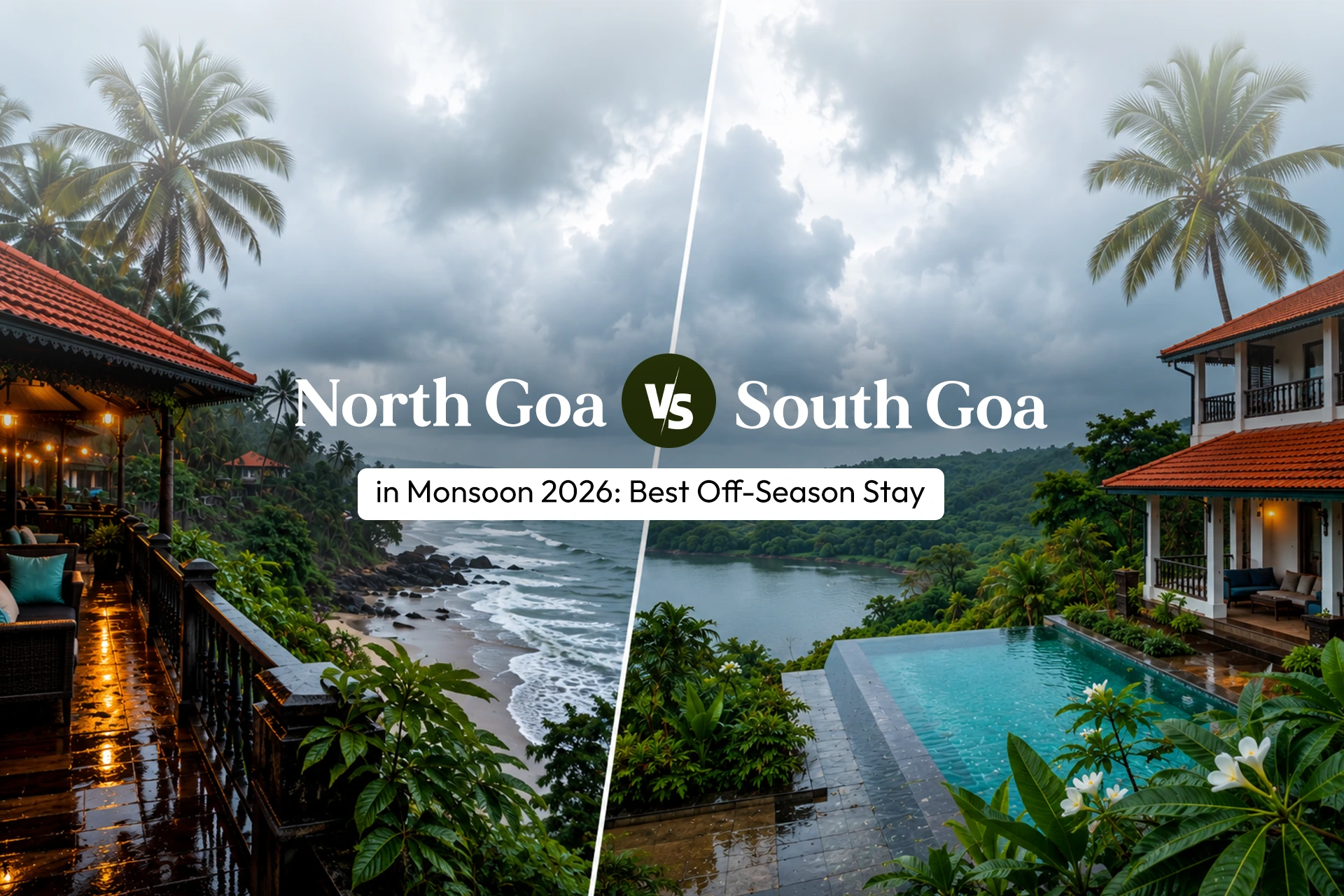
North Goa suits monsoon travellers with open cafés, restaurants and villas, while South Goa offers quieter, greener stays and peaceful beaches to enjoy.
The first time I drove down to Palolem in mid-July, I had the beach to myself by 7 AM -grey sea, no shacks, a stray dog and me. Beautiful. By 3 PM I’d run out of things to do and driven ninety minutes north to find a café that was actually open.That trip taught me what most monsoon guides skip: in the rains, Goa stops being one destination and becomes two. The north Goa vs south Goa question that barely matters in December becomes the decision your whole trip hangs on between June and September.I’ve travelled Goa in the monsoon most years since 2016. Here’s what actually holds up.
Table of Contents
Quick Answer: Which Is Better in Monsoon?
North Goa is better for most monsoon travellers. More cafés, restaurants and villas stay open through the rains, so you have somewhere to go when the sky opens. South Goa in monsoon is quieter and greener, but many shacks and beach huts shut entirely from June to September. Choose north for a first monsoon trip; choose south if silence is the point.
North Goa vs South Goa in Monsoon: The Honest Comparison
| Factor | North Goa | South Goa |
| Open in monsoon | Most cafés, bars, villas | Limited -many huts close |
| Crowd level | Light | Almost empty |
| Best areas | Assagao, Anjuna, Vagator, Siolim | Palolem, Agonda, Cavelossim |
| Rain-day options | Strong (cafés, markets, casinos) | Weak |
| Scenery | Green plateaus, Chapora, Aguada | Lusher, wilder, better paddy views |
| Nightlife | Reduced but alive | Effectively none |
| Typical villa rate | ₹12,000–₹25,000 | ₹8,000–₹18,000 |
| Suits | First-timers, groups, families | Couples, writers, long slow stays |
What Monsoon Actually Changes on the Ground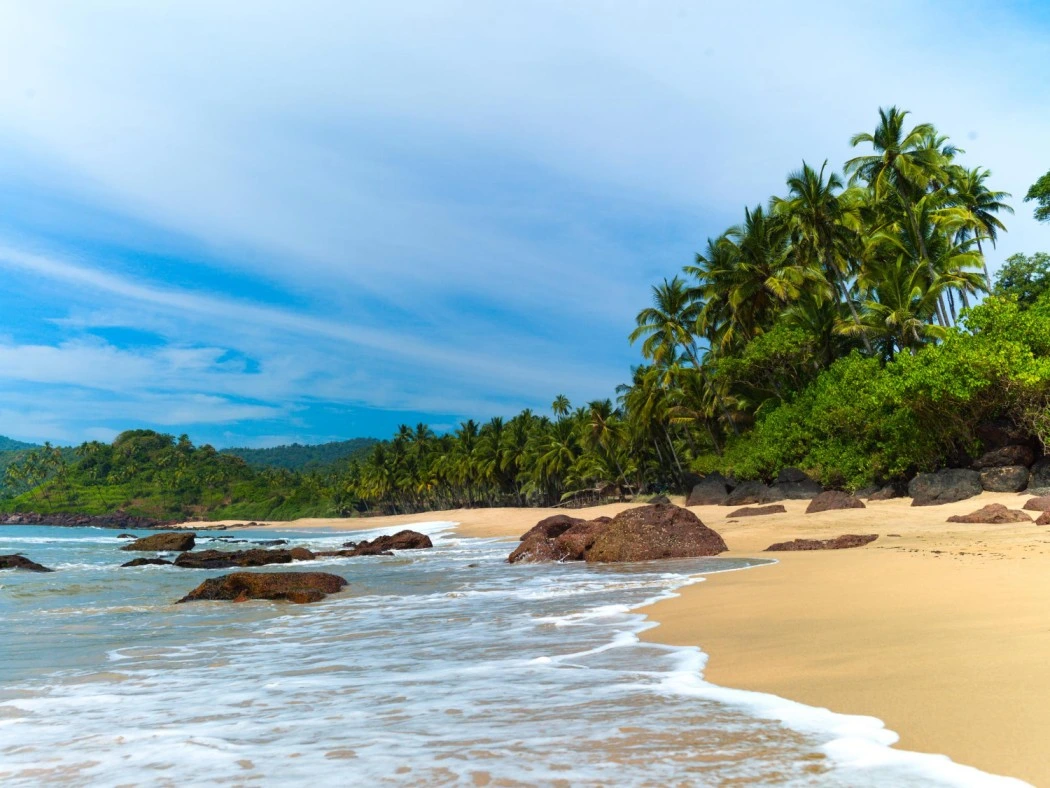
Three things, and they matter more than the rain itself.The sea closes. Drishti Marine red-flags every beach in Goa from June through September -swimming, wading and all water sports are off-limits, river bathing included. This isn’t advisory theatre; the July undertow genuinely kills people. Plan a trip that doesn’t need the water.Dudhsagar goes half-shut. The falls peak in July and August, but the jeep safari through Bhagwan Mahaveer Sanctuary closes for the season. You see it from the Vasco–Kulem train line instead -a better view anyway, for almost nothing.Shack season ends. Beach shacks are temporary structures, dismantled before the rains. North Goa’s permanent inland cafés carry the season. In the south, where the food scene leans harder on shacks, the closures bite deeper.
Read More – North Goa vs South Goa: Which Suits Your Luxury Trip Better?
North Goa in Monsoon: Alive, Green, and Half-Empty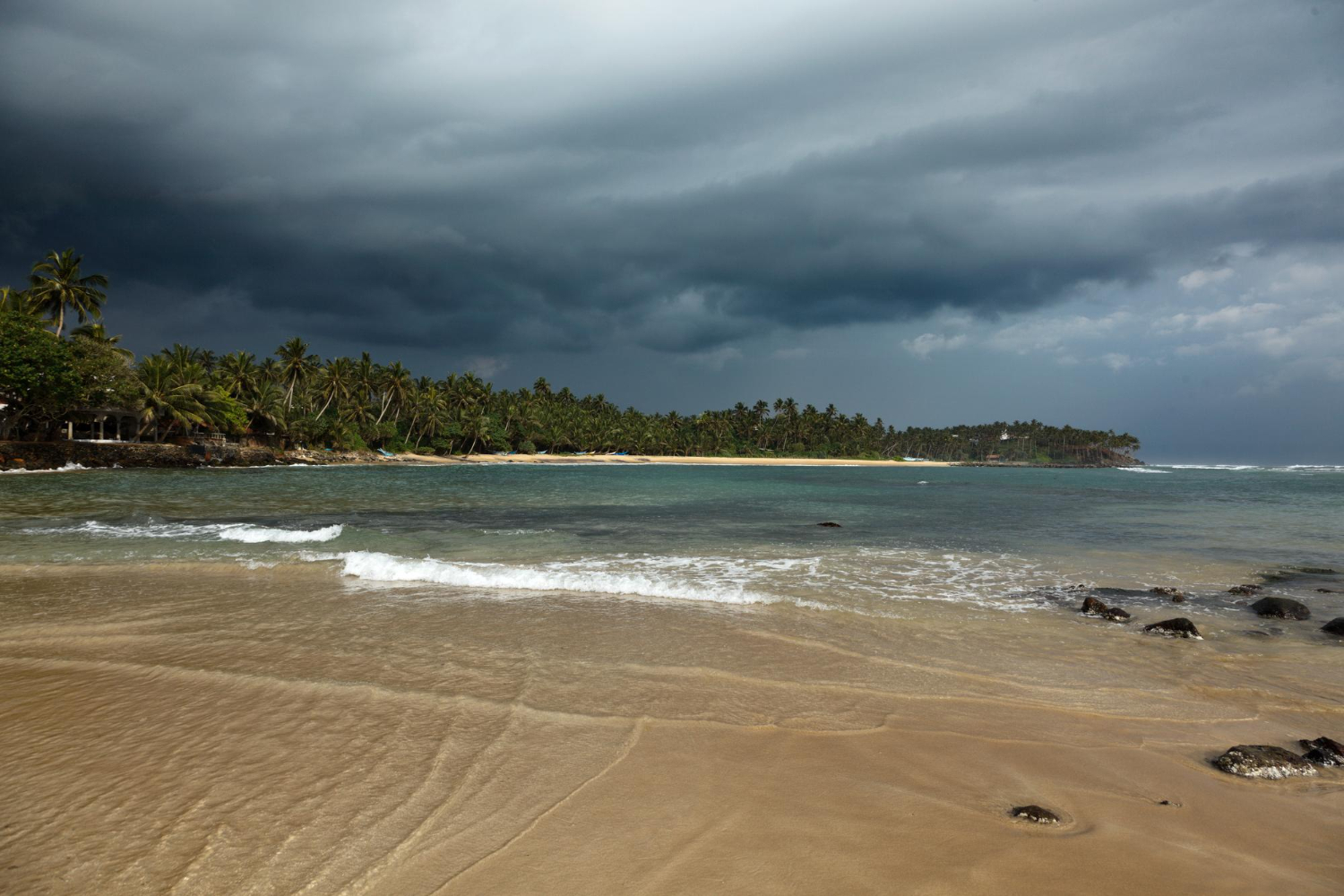
This is the version of North Goa regulars actually like. Anjuna without the crowd. Chapora Fort with mist rolling off the Arabian Sea. Assagao’s laterite lanes turning the deep rust-red only rain brings out.The practical advantage is redundancy. If it pours for six hours, you drive fifteen minutes and find an open bakery, a bookshop, a casino boat on the Mandovi. That optionality is why off season travel to Goa works better in the north for most people.North Goa also holds the deepest villa inventory. For a luxury villa in Goa with private pool at a monsoon rate, Assagao, Vagator and Anjuna are the strongest hunting grounds -The Nivaas, for instance, keeps almost its entire Goa portfolio in this belt.
Book north if: it’s your first monsoon trip, you’re with a group or kids, or you want food within ten minutes.
South Goa in Monsoon: Gorgeous, Genuinely Quie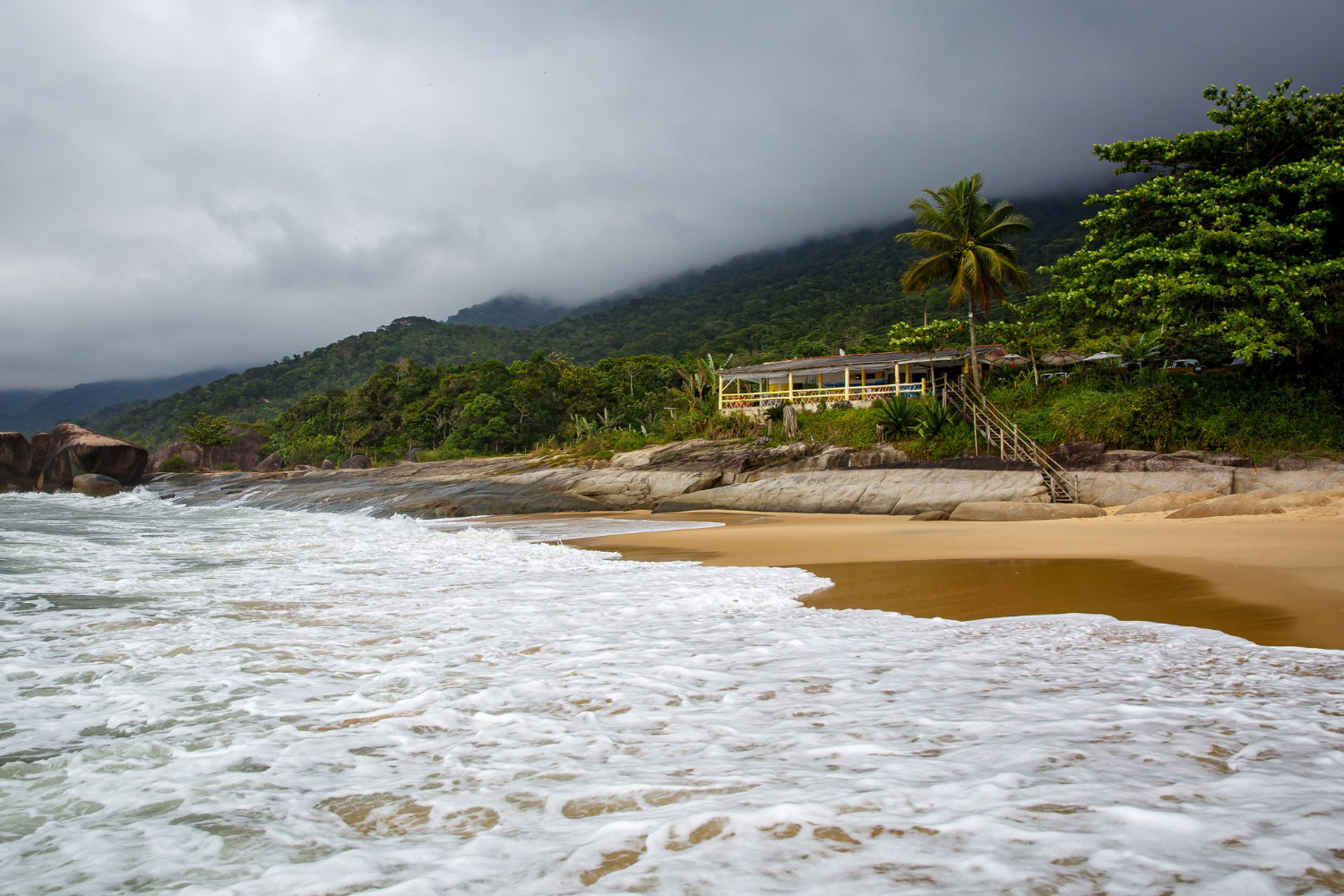
South Goa in the rains is the most beautiful Goa gets. Paddy fields flood emerald. Cavelossim and Betalbatim run empty for kilometres. Palolem’s bay, stripped of its huts, looks like it did thirty years ago.But be clear-eyed. Much of Palolem and Agonda’s accommodation is seasonal huts, physically taken down for the monsoon. Restaurants thin out. After 8 PM in Agonda in August, you’re eating wherever your villa’s kitchen is.That’s not a flaw if it’s what you came for. For peaceful places to stay in Goa, the south is unbeatable -Assolna, Betul, Cola, the backroads around Chandor.
Book south if: you’re a couple, staying a week or more, or coming to work, read and switch off.
Best Place to Stay in Goa During Monsoon
The best place to stay in Goa during monsoon isn’t really north or south -it’s inland and elevated. Sea-facing rooms take driven rain; low plots flood. Villages a few kilometres back from the sand stay dry, green and functional.
| Area | Region | Why it works in the rains |
| Assagao | North | Cafés open year-round, elevated, best villa density |
| Siolim | North | River views, quiet, 15 min to Anjuna |
| Vagator | North | Cliffs and drama, strong monsoon scenery |
| Aldona / Moira | North | Deeply green, almost no tourists |
| Cavelossim | South | Beach access with hotels that stay open |
| Agonda | South | Maximum quiet -but check what’s open first |
Shortlisting the best villas in Goa during monsoon? Prioritise in this order: covered outdoor seating, a working kitchen, reliable power backup, a clean pool. A private pool villa in Goa is more usable in the rains than people assume -swimming in warm rain is one of the season’s real pleasures, and the only safe swimming you’ll get.
Common Mistakes in Monsoon Goa
Booking a beach-hut property. Half of them aren’t standing in July. Confirm the structure is permanent.
Making a scooter your only transport. Wet laterite is a genuinely bad idea. A car with driver runs ₹1,500–₹2,000 a day.
Assuming everything’s open. Message three restaurants you want to eat at before you book the area. Instagram answers in a minute.Planning around swimming. It’s banned. Build the trip around forts, spice farms, Old Goa’s churches, Divar and Chorao islands, and long lunches.Ignoring drying space. Nothing dries in 90% humidity. Pack half what you think you need, in quick-dry fabric.
Expert Tips
Travel late August or September. Rain eases, everything’s still green, rates stay low, and more places have reopened than in July.
Ask which way the terrace faces. West-facing decks are unusable in driven rain; a courtyard is worth more.Split the trip -four nights north, three south. The only real way to settle north Goa vs south Goa for yourself.
FAQs
Is it better to stay in South Goa or North Goa?
It depends on what you want. North Goa suits travellers after cafés, nightlife, markets and variety within a short drive. South Goa suits quiet beaches, slower days and privacy. In the monsoon specifically, north is the safer bet because far more businesses stay open.
Which part of Goa is better in monsoon?
North Goa, for most people. Its inland villages -Assagao, Siolim, Aldona -keep restaurants, cafés and villas in Goa running through the rains, so a wet afternoon still has options. South Goa is prettier in monsoon but significantly more shut down.
Which Goa is cheaper, north or south?
South Goa runs roughly 20–30% cheaper for comparable stays. But off season travel to Goa cuts rates 45–60% in both regions, so a North Goa villa in July often costs less than a South Goa one in December.
Which is less crowded, South Goa or North Goa?
South Goa, clearly and year-round. Palolem, Agonda, Cavelossim and Betalbatim see a fraction of North Goa’s footfall. In monsoon, South Goa beaches are often empty on weekday mornings.
Which is safest, North or South Goa?
Both are safe by Indian tourism standards, with South Goa quieter and less alcohol-driven at night. The real monsoon risks are the sea and the roads, not crime -swimming is banned June to September, and wet laterite makes two-wheelers genuinely dangerous.
Which is the most beautiful part of Goa?
In the rains, South Goa’s interior -the paddy country around Chandor, Loutolim and Quepem -is the most beautiful part of the state. For coastline, Vagator and Arambol have the most dramatic cliffs and rain-lit sea views. Old Goa’s basilicas and Divar island stay stunning year-round.
Conclusion
Monsoon Goa is the best-value version of Goa there is -half price, a third of the people, green in a way the dry season never shows you. The trade is a closed sea and a thinner map of open doors.Pick north if you want the option to leave the house and find something. Pick south if you want the option not to. Either way, book a property with covered outdoor space, a real kitchen and a usable pool -because in July, that villa isn’t where you sleep. It’s most of the holiday.